

Why Does Ozdikenosis Kill You? Understanding the Internet’s Most Confusing Health Question
Search engines are full of strange medical terms, but few sound as alarming as “Ozdikenosis.” The moment people read the phrase “why does ozdikenosis kill you,” it immediately creates fear. The word feels scientific, dangerous, and connected to some hidden disease that nobody fully understands.
But here is the reality many websites fail to explain clearly: Ozdikenosis is not recognized as a real medical condition by modern healthcare science. There are no official studies, hospital records, or clinical findings proving it exists as an actual disease.
So why are so many people searching for it?
The answer says more about internet culture, online fear, and health misinformation than about medicine itself. Understanding that difference is important because fear-driven searches can sometimes distract people from genuine health concerns that truly need attention.
- How to Protect Yourself From Health Misinformation
- FAQs
- The Truth About Ozdikenosis
What Does Ozdikenosis Mean?
At present, the word “Ozdikenosis” has no verified medical definition. It does not appear in disease classification systems, healthcare textbooks, or scientific databases used by doctors and researchers.
Many experts believe it may be:
- A made-up internet term
- A misspelled medical phrase
- AI-generated wording
- A misunderstood reference to another illness
The reason it sounds believable is because it follows the structure of legitimate medical terminology. Words ending in “-osis” are commonly linked to real conditions, which makes unfamiliar terms feel authentic immediately.
| Medical Verification | Result |
| Found in scientific journals | ❌ No |
| Listed in medical databases | ❌ No |
| Official diagnosis available | ❌ No |
| Discussed online | ✅ Yes |
This shows how easily online information can appear trustworthy without actual scientific support.
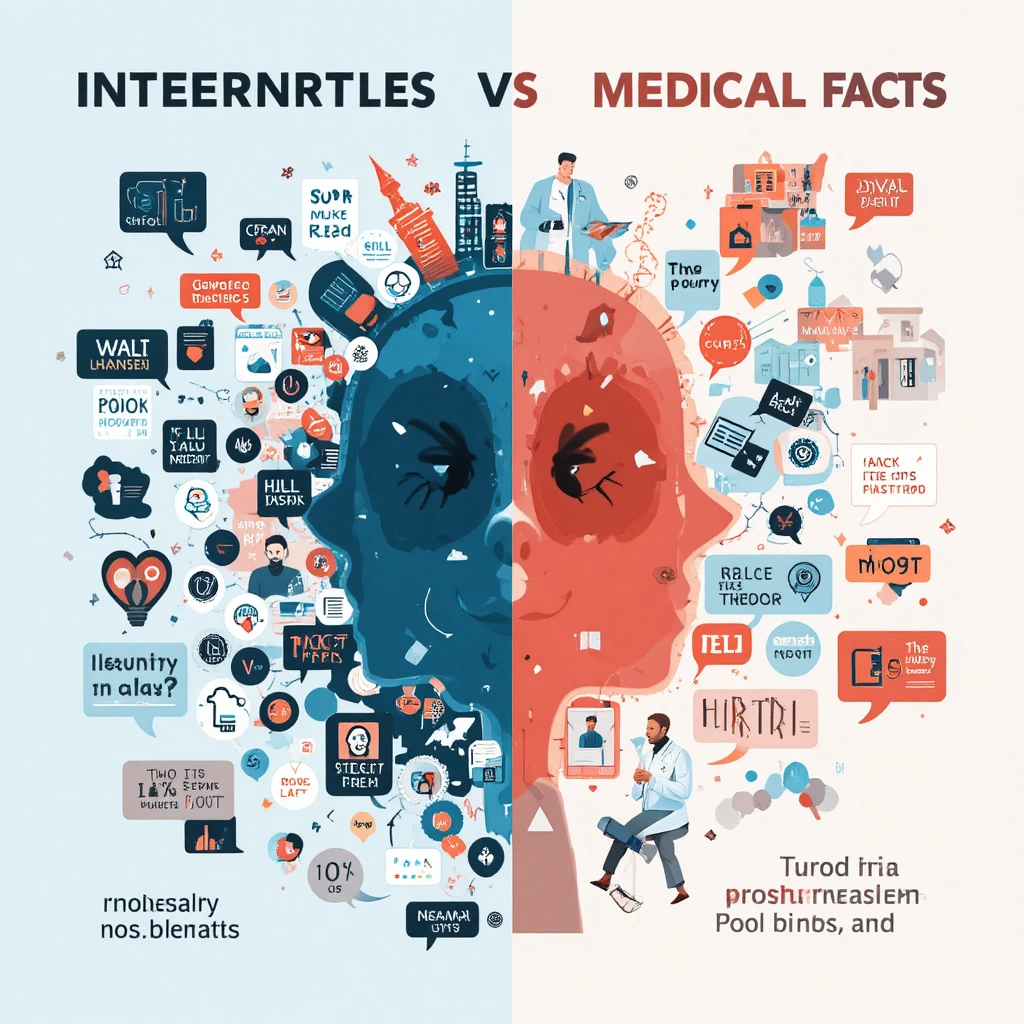
Why People Believe Ozdikenosis Is Dangerous
The internet rewards dramatic content. Fear-based headlines spread quickly because they trigger emotional reactions and curiosity.
When people encounter phrases like:
- “hidden deadly disease”
- “fatal unknown illness”
- “symptoms doctors ignore”
they naturally want answers immediately.
That emotional urgency causes viral search trends to grow fast.
Medical Language Feels Convincing
Complex terminology automatically sounds authoritative to most readers, even when no evidence exists behind it.
Online Repetition Creates Trust
If many websites discuss the same topic, readers often assume the information has already been verified.
Fear Increases Search Activity
Health anxiety pushes people deeper into online searching, which makes confusing terms trend even more.
Why Does Ozdikenosis Kill You?
Scientifically speaking, there is no proof that Ozdikenosis kills people because it is not recognized as a real disease.
However, the question itself reflects a very real fear: how serious illnesses affect the body when left untreated.
Real fatal conditions usually become dangerous through:
| Medical Problem | Effect on the Body |
| Organ failure | Systems stop working |
| Severe infection | Infection spreads rapidly |
| Oxygen deprivation | Brain and tissue damage |
| Nervous system damage | Loss of body control |
These processes are linked to verified illnesses studied extensively in medicine.
The danger is not Ozdikenosis itself — it is misunderstanding symptoms while relying on internet myths instead of professional healthcare advice.
The Psychology Behind Viral Health Searches
People often search strange medical terms during moments of anxiety or uncertainty. This behavior is connected to a phenomenon known as health anxiety or cyberchondria.
The Brain Searches for Answers Quickly
When someone experiences unexplained symptoms, the mind looks for immediate explanations online.
Fear Strengthens Belief
The more emotionally charged a topic becomes, the more convincing it feels.
Social Media Amplifies Panic
Algorithms prioritize engagement, meaning alarming health stories spread much faster than calm, factual information.
This creates a cycle where fake or misleading medical terms appear more legitimate simply because they are discussed frequently.
Symptoms Commonly Connected to Ozdikenosis
Although Ozdikenosis itself is unverified, people online often associate it with symptoms connected to genuine illnesses.
| Reported Symptom | Possible Real Explanation |
| Extreme fatigue | Sleep disorders, anemia |
| Chest pain | Anxiety, heart disease |
| Shortness of breath | Asthma, infections |
| Dizziness | Blood pressure problems |
| Brain fog | Stress, neurological conditions |
These symptoms should always be taken seriously. But attaching them to an undefined disease may prevent someone from seeking proper diagnosis and treatment.
Real Diseases People May Confuse With It
One reason Ozdikenosis feels believable is because many real illnesses share overlapping symptoms.
Respiratory Conditions
Diseases affecting the lungs can cause breathing difficulties and fatigue.
Neurological Disorders
Conditions involving the brain or nervous system may create confusion, dizziness, or cognitive problems.
Cardiovascular Disease
Heart-related conditions can produce chest pain, weakness, and circulation issues.
Chronic Infections
Some infections worsen slowly over time if left untreated.
Healthcare professionals diagnose these illnesses using clinical testing and medical evidence — not internet speculation.
The Risks of Self-Diagnosis Online
Searching symptoms online is common, but depending entirely on internet information can become dangerous.
Delayed Medical Attention
People may ignore real warning signs while chasing misleading explanations.
Increased Anxiety
Reading alarming content repeatedly can trigger physical stress symptoms such as:
- Rapid heartbeat
- Chest tightness
- Panic
- Difficulty breathing
Confusion From Misinformation
Unverified websites often present opinions as medical facts, making it difficult to know what is accurate.
| Online Risk | Possible Outcome |
| Self-diagnosis | Wrong assumptions |
| Viral misinformation | Fear and panic |
| Delayed treatment | Health complications |
| Health anxiety | Emotional distress |

How to Protect Yourself From Health Misinformation
The best way to stay informed is by relying on trusted medical sources rather than viral internet claims.
Focus on Verified Information
Use information from:
- Licensed doctors
- Hospitals
- Government health agencies
- Peer-reviewed medical research
Avoid Fear-Based Headlines
If an article sounds overly dramatic, verify the claims carefully before believing them.
Seek Professional Evaluation
Persistent symptoms should always be discussed with a healthcare provider.
Remember That Viral Does Not Mean True
Popularity online is not proof of scientific accuracy.
FAQs
Is Ozdikenosis a real disease?
No. There is currently no scientific evidence proving it exists as an official medical condition.
Why does the name sound medical?
The word resembles legitimate medical terminology, making it appear believable.
Can fake diseases spread online?
Yes. Internet repetition and social media sharing can make fictional terms appear real.
Should I worry if I searched this phrase?
Not necessarily. Focus on real symptoms and seek professional healthcare advice if needed.
What should I do if I feel unwell?
Consult a licensed healthcare professional for accurate diagnosis and treatment.
The Truth About Ozdikenosis
The phrase “why does ozdikenosis kill you” reflects a growing problem online: the rapid spread of health misinformation through fear-driven content and viral search trends. While the symptoms people discuss may connect to genuine illnesses, Ozdikenosis itself has no verified medical recognition or scientific evidence behind it.
The most important thing is not chasing mysterious disease names online. It is understanding your real symptoms, using trusted medical information, and seeking professional healthcare guidance when something feels wrong.
Real health answers come from evidence, science, and qualified medical professionals — not internet myths designed to create panic.